







Search Results for: Coffee Grounds Shelf Life
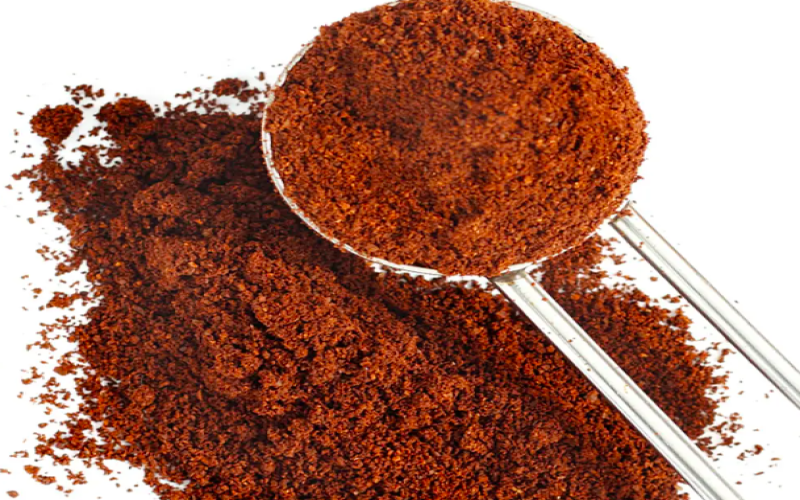
Why Isn't It Recommended to Have Espresso Beans Pre-Ground? An In-Depth Look at Coffee Grounds Shelf Life and Grind Precision
Many merchants who sell coffee beans offer a grinding service, but if you plan to use that ground coffee to extract espresso, Front Street suggests you think twice. This article explains in detail, from three angles—the speed of flavor loss, the impact of carbon dioxide loss on crema, and the demanding precision requirements of espresso grinding—why espresso beans are not suitable for grinding into powder in advance, while also telling you just how short the shelf life of ground coffee really is. If you care about crema and flavor in coffee, this key information is not to be missed. [more…]
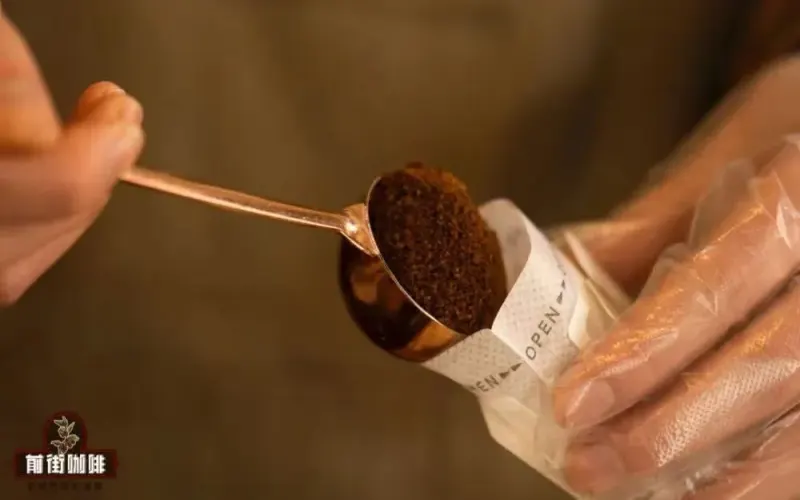
Drip Bag Coffee Shelf Life and Peak Flavor Period Explained: How Is It Different from Instant Coffee?
The shelf life of drip bag coffee is usually labeled as 12 to 18 months, but this is only a food safety limit—what truly determines whether a cup of coffee tastes good is its peak flavor window. This article will start with where coffee flavor comes from, explain why drip bag coffee's flavor noticeably declines within about three weeks after roasting, and clarify the essential differences between drip bag coffee and instant coffee in terms of composition and health effects. At the same time, Front Street Coffee will share a simple and easy-to-follow drip bag brewing method, including water temperature, pouring rhythm, and total water volume control, to help you enjoy a full-flavored cup of black coffee within the optimal time. [more…]
What exactly is the difference between coffee bean resting, peak flavor period, and shelf life? Front Street Coffee helps you decode the time code of freshly roasted coffee.
Many people think coffee beans should be brewed right after roasting, but freshly roasted beans often carry a dry, smoky character and need to be rested to degas so the flavors become rounder. Drawing on years of roasting and cupping experience, Front Street Coffee has found that resting times vary from 3 to 7 days depending on the roast level, and the optimal flavor window usually falls between 7 and 20 days after roasting. The flavor window is not the same as the shelf life; the latter is merely the safe consumption period, often as long as 12 months or more. This article clarifies the complete timeline of coffee beans from fresh to stale across several dimensions—the principles of degassing, resting recommendations, the flavor window, and storage limits—and also tells you how much to buy at once and how to store it so nothing goes to waste. [more…]
Can Coffee Beans Still Be Drunk After the Peak Flavor Period? A Practical Guide to Brewing Adjustments and Reusing Expired Beans
Having bought too many coffee beans and not finishing them before they pass their peak flavor window is a problem many coffee lovers run into. What exactly is the difference between the peak flavor period and the shelf life? Can beans past their peak flavor period still brew a decent cup of coffee? Besides throwing away expired coffee beans, what other practical ways are there to reuse them? This article starts from a brewing demonstration of a Kenya AA coffee bean from Front Street Coffee, explaining in detail how to avoid negative flavors after the peak flavor period by adjusting water temperature, grind size, pouring technique, and other parameters, while also compiling the many uses of expired coffee beans in cleaning, deodorizing, and plant fertilizer, helping you make the most of every single coffee bean. [more…]
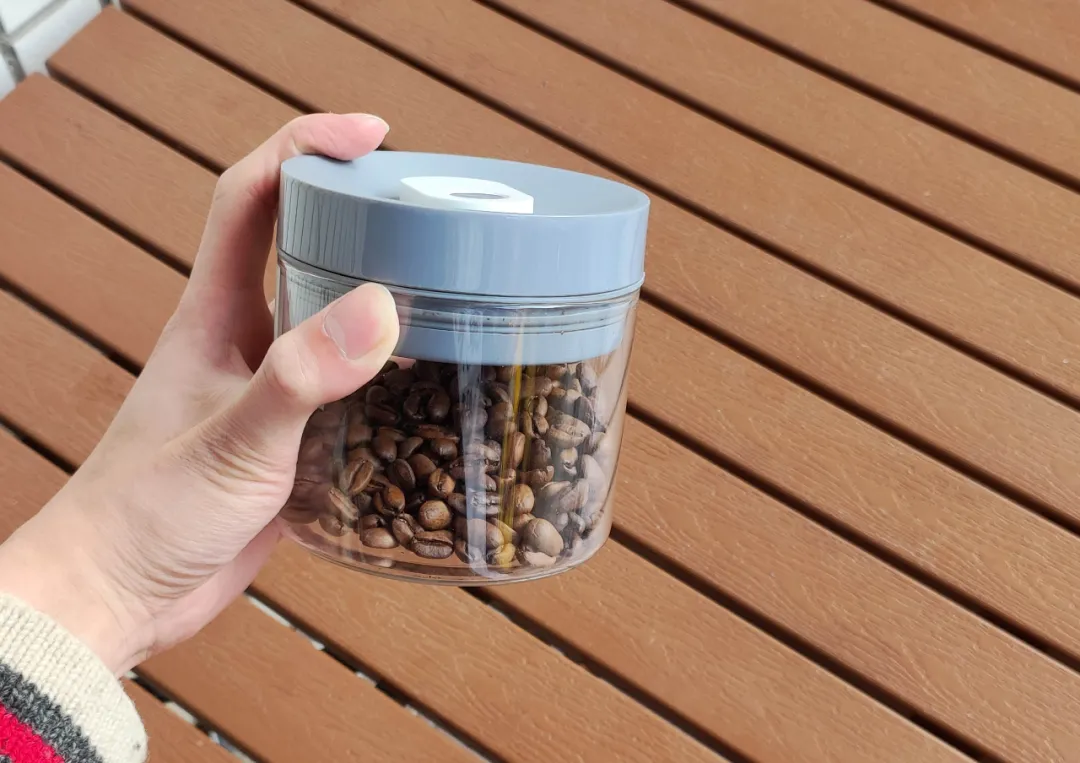
Coffee Grounds Shelf Life | How Long Do Fresh Coffee Beans Last? Can You Still Drink Coffee Beans Past Their Peak Flavor Period? How to Properly Store Coffee Beans?
For more specialty coffee knowledge, please follow: Front Street Coffee (Frontsteet Coffee). Front Street recently noticed that a small number of coffee-loving friends have left their coffee beans unopened for two months, believing that as long as the package is unopened, the coffee beans will not spoil. In fact, it really does not affect the coffee's [more…]
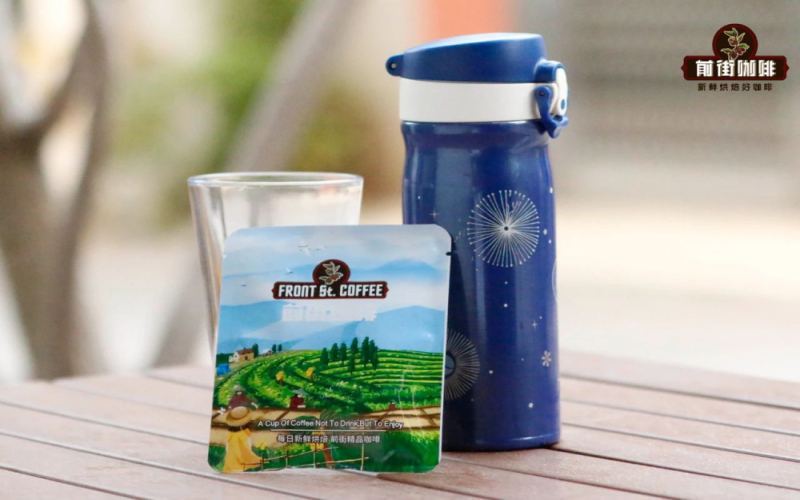
How long is the shelf life of drip bag coffee? Why freshly ground and freshly made is more worthwhile—Front Street helps you understand the peak flavor period and brewing key points
Drip bag coffee is convenient and quick, but how long is its shelf life and its peak-flavor window? Why does Front Street Coffee insist on grinding and making it fresh rather than preparing stock in advance? This article will analyze the production method of drip bag coffee, its storage time, and the reasons for flavor loss, and will also offer buying suggestions for several Front Street Coffee drip bag coffees, including Panama Geisha, Huakui, Brazil Semi-Washed, and Golden Mandheling. It will also explain the brewing approach of 10 g per packet and a 1:15 coffee-to-water ratio, helping you enjoy a more complete aroma and mouthfeel within a packet's best period. [more…]
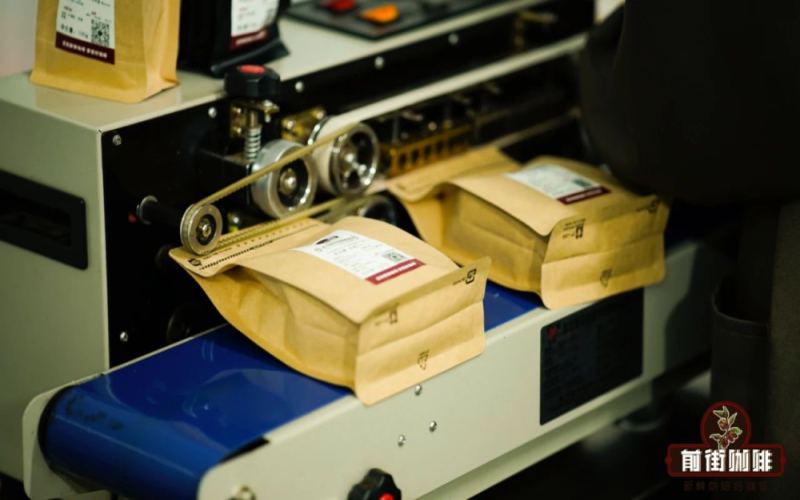
Coffee Grounds Storage | What Factors Affect the Freshness of Roasted Coffee Beans? How Long Is the Shelf Life of Freshly Ground Coffee? Do Coffee Beans Still Need to Be Rested After Grinding?
Recently, a friend asked Front Street Coffee: "Why should the air valve be sealed after coffee beans are ground into powder? Wouldn't that prevent the carbon dioxide inside the package from escaping?" The meaning of the exhaust valve on coffee packaging. Front Street Coffee immediately seals and packages the coffee beans after roasting and cooling, which can minimize the loss of coffee bean flavor. [more…]
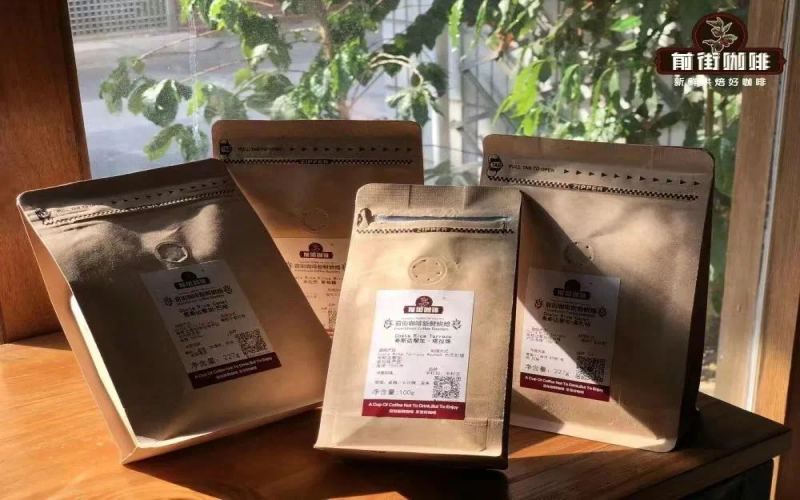
What Exactly Is the Difference Between the Peak Flavor Period and the Shelf Life of Roasted Coffee Beans? A Full Guide to Storing and Keeping Single-Origin Beans Fresh
Many people assume that coffee beans won't spoil as long as the bag is unopened, but in reality, even unopened, the flavor still degrades over time. The "shelf life" and the "peak flavor period" of roasted coffee beans are two completely different concepts. Drawing on Front Street's practical experience, this article clarifies how long coffee beans should be stored, when they taste best, why resting is important, and how to store them properly after opening. Whether you're a beginner or a seasoned coffee enthusiast, you'll find practical advice here. [more…]
Can You Still Drink Expired Coffee Beans? A Full Guide to Peak Flavor, Safety, and Creative Reuse
Bought too many coffee beans and can't finish drinking them, or for various reasons they've been left sitting too long, and before you know it, they've passed their optimal flavor period, or even exceeded their shelf life. Can these coffee beans still be consumed? How will the flavor change? What exactly is the difference between shelf life and optimal flavor period? If they can no longer be consumed, what practical secondary uses are there? Based on Front Street's practical experience, this article systematically sorts out the timeline of coffee beans from optimal flavor period to shelf life, answers the safety of expired coffee, and shares waste utilization tips for multiple scenarios such as practice, cleaning, skincare, and deodorizing, helping you properly handle those coffee beans that are no longer fresh. [more…]
A Complete Guide to Coffee Bean Resting and Peak Flavor: The Science of Storing from Roast Date to Optimal Taste
Are freshly roasted coffee beans the most delicious? The answer is not necessarily. Many enthusiasts compare coffee bean roasting to cake baking, assuming that the fresh flavor is at its peak within two to three days of coming out of the roaster. But in fact, freshly roasted and freshly bought beans are not when the beans taste their best. Through years of roasting and cupping, Front Street Coffee has found that beans 1-2 days after roasting often carry smoky notes and a harsh, dry sensation, with sharp acidity and insufficient sweetness. This is because coffee beans continue to release carbon dioxide for about 48 hours after roasting, emitting roughly 6-10 liters per kilogram, with 35% of that released in the first three days. So what is bean resting? How long do different roast levels need to rest? And how should the peak flavor period be defined? Starting from Front Street Coffee's practical experience, this article will systematically answer core questions such as resting time, the optimal peak flavor period, and shelf life, helping you find the flavor peak of every bean. [more…]
Cold Brew Coffee Grounds-to-Water Ratio | How Can Coffee Beginners Make Cold Brew Coffee at Home? Which Single-Origin Coffee Beans Are Suitable for Cold Brew? How Long Is Cold Brew's Shelf Life?
In such hot weather, in such a hot Guangzhou, taking a sip of iced coffee is simply one of life's great pleasures. Everyone may have had plenty of iced coffee, so what exactly is cold brew coffee? Why isn't it available in every coffee shop? Today Front Street is here to give everyone a little primer on the category of cold brew coffee. The production process of cold brew and Americano [more…]
Why Is Cold Brew Coffee Less Sour and Astringent? A Full Breakdown of the Steps and Shelf Life
Cold brew coffee, with its smooth and mellow flavor, has become increasingly favored by coffee enthusiasts in recent years. Unlike hot water brewing, cold brew uses room-temperature water mixed with coffee grounds and undergoes a long, low-temperature extraction, releasing fewer acidic compounds and bitter components, resulting in a more balanced overall taste. So how do you make a delicious cup of cold brew? From the grinding parameters for Front Street Coffee's Costa Rica Mozart coffee beans, to the coffee-to-water ratio, refrigeration time, and the optimal drinking window under different extraction methods, this article will break it all down for you one by one. [more…]
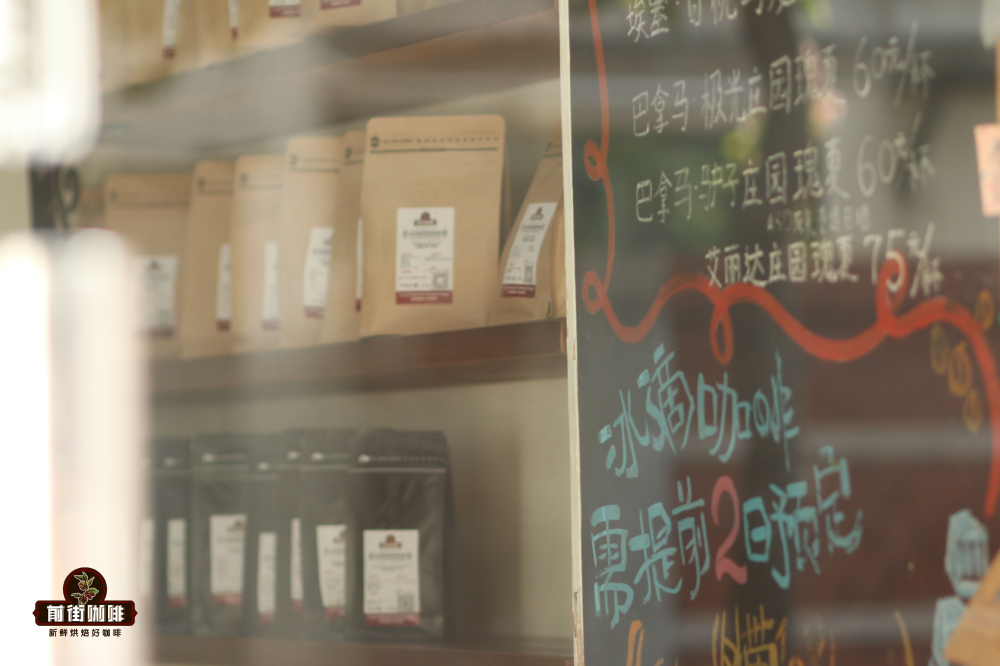
Coffee Bean Resting Period | What Is the Coffee Bean Peak Flavor Window? Why Do Freshly Roasted Coffee Beans Need Resting? How Should Coffee Beans Be Rested and Awakened?
For professional coffee knowledge exchange and more coffee bean information, please follow Coffee Workshop (WeChat official account: cafe_style). For more specialty coffee beans, please add our personal WeChat Front Street Coffee (FrontStreet Coffee), WeChat ID: qjcoffeex. "Are coffee beans [more…]
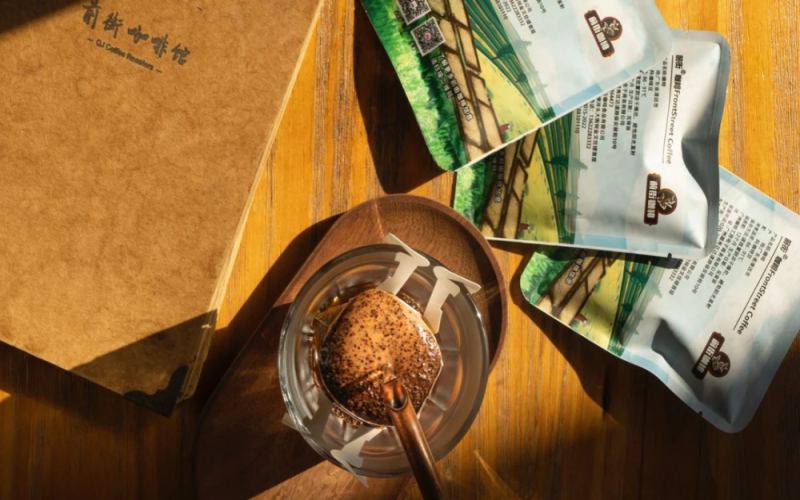
Shelf Life of Drip Coffee Bags | How to Store Filter Drip Coffee Bags? How Long Is the Optimal Flavor Period for Drip Coffee? Can Drip Coffee Bags Be Brewed Multiple Times?
For food safety reasons, China's relevant food laws stipulate a one-year shelf life for coffee products. In fact, if you want to drink a good cup of coffee, Front Street Coffee (FrontStreet Coffee) recommends finishing it as soon as possible. Coffee fans who often buy coffee beans at Front Street know that the optimal flavor period of coffee beans [more…]
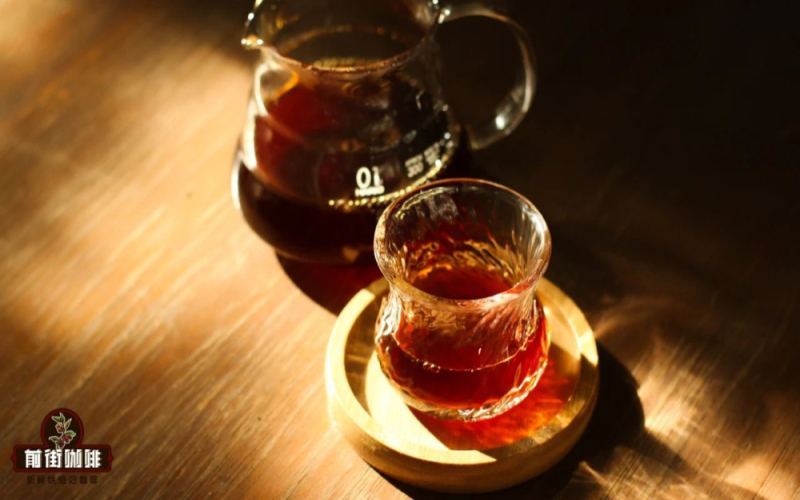
Drip Bag Coffee Shelf Life and Peak Flavor Period Explained: Brewing Water Temperature, Key Parameters, and Whether It Can Be Reused
Drip bag coffee, with its dual advantages of convenience and flavor, has become a daily choice for many coffee lovers. But how long can a pack of drip bag coffee actually be stored? How should it be brewed to restore the best taste? Can the same drip bag be brewed repeatedly? This article will explain item by item the shelf life and optimal flavor period of drip bag coffee, the drinking time limits for different roast levels, brewing water temperature and parameter adjustments, as well as tips for judging freshness. It will also address the misconception of repeated brewing and include complete drip bag brewing steps to help you consistently brew a delicious cup of black coffee at home. [more…]
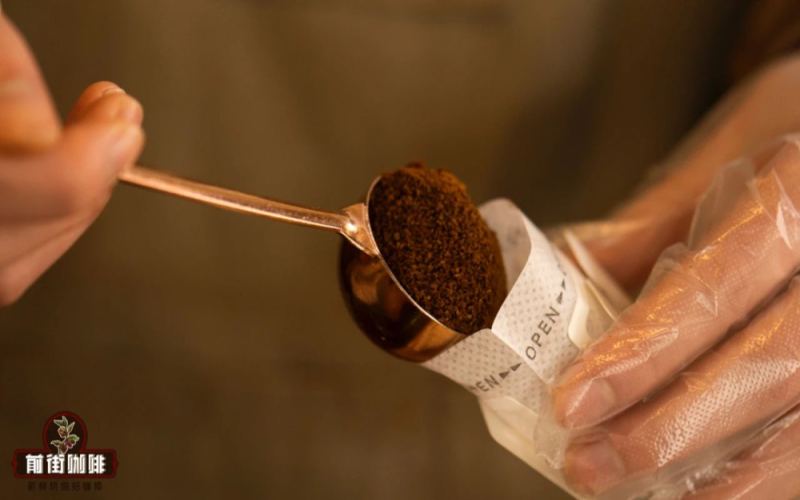
Why is the shelf life of drip coffee shorter than that of coffee beans? Breaking down storage time limits and key brewing points
Drip bag coffee, with its convenience of being ready to drink straight from the pack, has become a daily choice for many office worker coffee lovers. But it differs noticeably from coffee beans in terms of shelf life: coffee beans lose aroma continuously after roasting, and Front Street usually recommends customers finish them within two months; while drip bags made from ground coffee lose aroma at a much faster rate, with their best flavor often lasting only about two weeks. This article will explain the origins of drip bag coffee, the correct brewing steps, common misconceptions, and the reasons why the flavor window is shortened, while also introducing drip bag products developed by Front Street for coffee lovers, such as Honduras Lychee Orchid and Sherry, to help everyone recreate as much as possible the aroma and layers that a cup of specialty coffee should have in actual drinking. [more…]
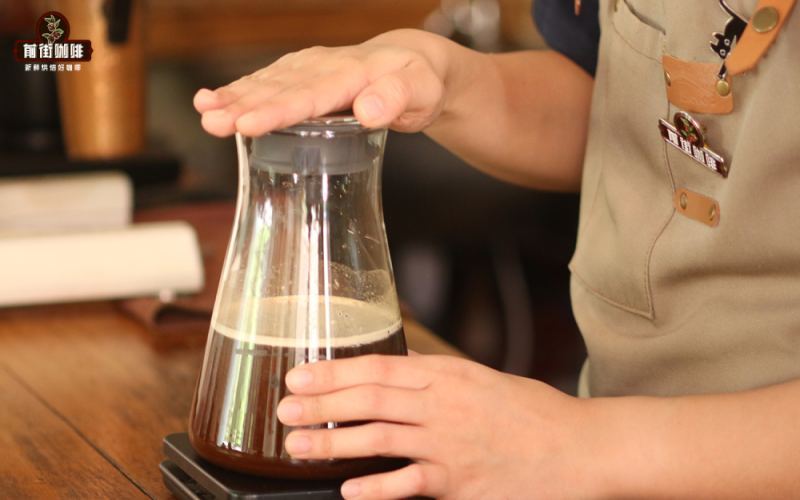
Cold Brew Coffee Shelf Life Fully Explained: Home Methods for Ice Drip and Cold Brew, Extraction Parameters, and Grind Size Recommendations
On a hot summer day, cold brew coffee becomes a favorite for many people. But how long can prepared cold brew be stored? What details should be noted when making ice drip and cold brew at home? This article provides a detailed explanation of the shelf life of cold brew coffee, the role of refrigerated aging, the flavor differences brought by different bean varieties, and the extraction parameters and grind size for ice drip and cold brew. At the same time, Front Street Coffee also gives specific suggestions based on the cold brew performance of its own beans such as Kenya, Strawberry Candy, and Gitiding Cooperative. Whether you are a beginner or a seasoned enthusiast, you can find practical references here. [more…]
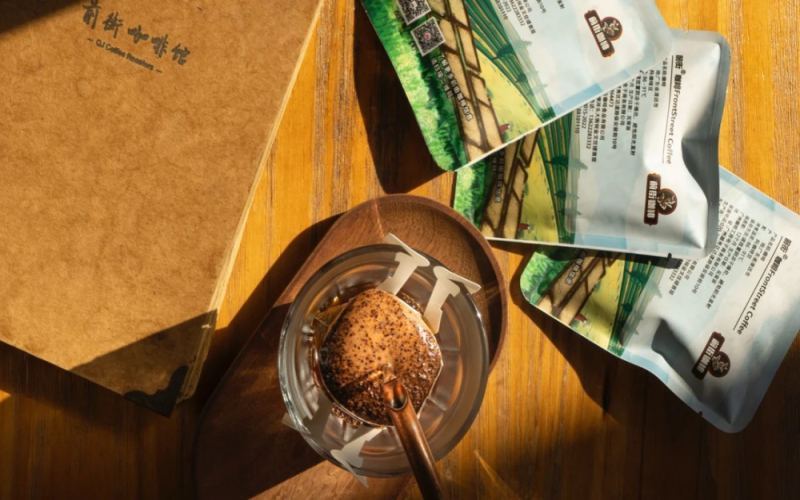
What is the difference between the shelf life and the optimal enjoyment period of drip bag coffee? An analysis of brewing water volume and techniques
Although drip bag coffee may be labeled with a shelf life of up to 12 to 18 months, the window during which its flavor is truly at its best is very short. Through comparative experiments, Front Street Coffee found that drip bags made from freshly roasted beans typically show a noticeable decline in aroma after three weeks, while anaerobic-process types can maintain their quality for about a month. Therefore, they insist on making each drip bag on-site after an order is placed, and recommend that consumers finish drinking it within 20 days. This article will also explain the appropriate amount of water and the staged pouring method when brewing drip bag coffee, and recommend three classic coffee beans suitable for making drip bags, helping enthusiasts easily enjoy a good cup of coffee at home. [more…]
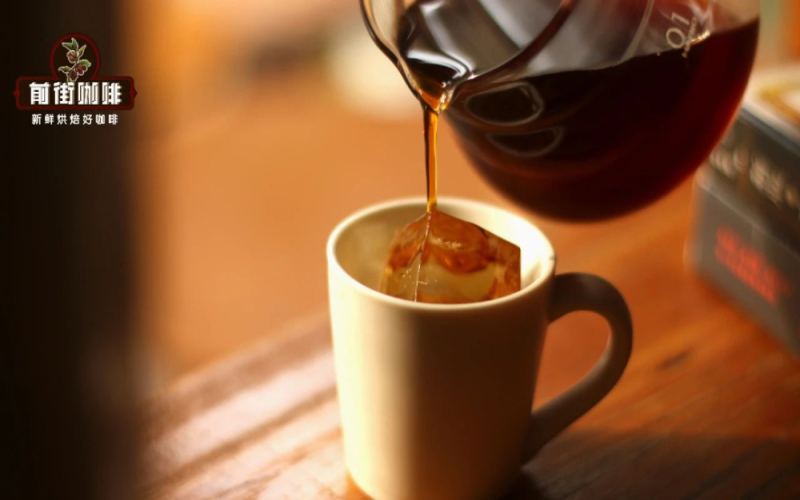
How to Make Cold Brew Coffee? Shelf Life and Flavor Characteristics, with Four Front Street Coffee Bean Recommendations
Cold Brew Coffee is made by steeping ground coffee in room-temperature water for about 12 hours, then filtering out the grounds to obtain the coffee liquid. Compared with conventional hot brewing methods, its coffee flavor is more concentrated, less bitter, and smoother on the palate. However, the longer cold brew sits, the more pronounced its fermented aroma becomes, so the taste you get each day will vary. Front Street recommends drinking it within 3 to 4 days. Although it sounds cumbersome, it is actually quite simple: steep the ground coffee in cold water, leave it in the fridge overnight, and filter out the grounds. In addition to explaining the key points of preparation, this article also recommends four Front Street Coffee beans suitable for cold brew, along with specific recipes and steps. [more…]
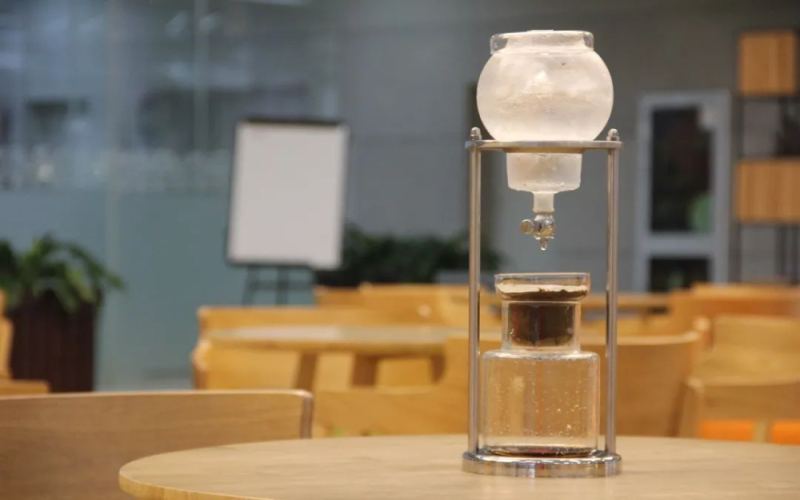
How long is the ideal shelf life for cold brew coffee? A full breakdown of its taste characteristics and key brewing points
Cold brew coffee, with its mellow sweetness and acidity and refreshingly cool, pleasant flavor, has become a highly sought-after coffee drink in summer. It is made by slowly drip-extracting with ice water, then cold-fermenting at low temperature. After many enthusiasts get their hands on a cold brew tower, they are often confused about grind size, flow rate, coffee-to-water ratio, and shelf life. Using Front Street Coffee's store output as a reference, this article demonstrates the cold brew coffee-making process in detail, answers how to set the drip parameters, and explains how long the brewed coffee liquid can be stored and how the flavor changes over time. It also recommends several coffee beans suitable for making cold brew, including different types such as refreshing floral and fruity, fermented winey, and rich fruity tea notes, helping you make a cup of full-flavored cold brew coffee at home. [more…]